Linux, the Rebel Code
Linux, the Rebel Code
Douglas Chick

 I made the mistake one day of
giving a book review and putting it on my website. Little did I know that was
the beginning of a landslide of request from publishers to review books. Not
just any kind of books, but computer books, or book about and related to the
computer industry. Like most computer people, I've read my fair share of
computer books--a lot--and the prospect of reading one more that isn't going to
get me a certification of help my career sound like a waste of time. Although,
my website is the perfect place for such an activity, it receives tens of
thousands of hits from around the world by other computer people, computer
people do purchase a lot of books, and more importantly, because computer people
are isolated from each other by routers and operating systems, we love to read
about what other computer have to say. In fact, I went to a Cisco's Networkers
one time and found myself with 5000 other computer heads and we all looked at
each other with stupid grins on ours faces like we all knew the secret of life
and wasn't telling anyone. It was geeker than a Star Trek convention. Or so I've
heard. (Just for the record: I've never attended a Sci-fi convention.) Being a
computer geek is awesome, being around other people with your same interest is
even more awesome. (I wander a lot when I talk, sorry.)
I made the mistake one day of
giving a book review and putting it on my website. Little did I know that was
the beginning of a landslide of request from publishers to review books. Not
just any kind of books, but computer books, or book about and related to the
computer industry. Like most computer people, I've read my fair share of
computer books--a lot--and the prospect of reading one more that isn't going to
get me a certification of help my career sound like a waste of time. Although,
my website is the perfect place for such an activity, it receives tens of
thousands of hits from around the world by other computer people, computer
people do purchase a lot of books, and more importantly, because computer people
are isolated from each other by routers and operating systems, we love to read
about what other computer have to say. In fact, I went to a Cisco's Networkers
one time and found myself with 5000 other computer heads and we all looked at
each other with stupid grins on ours faces like we all knew the secret of life
and wasn't telling anyone. It was geeker than a Star Trek convention. Or so I've
heard. (Just for the record: I've never attended a Sci-fi convention.) Being a
computer geek is awesome, being around other people with your same interest is
even more awesome. (I wander a lot when I talk, sorry.)
Anyways, after being in Australia for almost three weeks, I returned home to
Orlando and found my mailbox crammed with more books to review. Crikey! There
were a lot of books. Only two caught my eye, one of which was Rebel
Code. Rebel Code sounds like what could have been used in Star
Wars by rebel forces to help over throw the dark force Emperor that controlled
the galaxy. I mean, that's what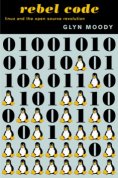 engineers or scientist or other none computer geeks might think of when they
read it. (I stand by my earlier statement about never attending a Sci-Fi
convention.) Without even opening this book I knew exactly what it was about
even before seeing little penguins that ornament the cover. It doesn't matter
what favor of computer geek you are, Rebel Code can only mean Linux.
engineers or scientist or other none computer geeks might think of when they
read it. (I stand by my earlier statement about never attending a Sci-Fi
convention.) Without even opening this book I knew exactly what it was about
even before seeing little penguins that ornament the cover. It doesn't matter
what favor of computer geek you are, Rebel Code can only mean Linux.
What I learned from reading this book was that Free Software Powers 80% of the e-mail and 60% of the websites. And I also learned that free software had a completely different definition from what people that write books think and network administrators. This book covers the entire history of Linux and Linus Torvald the original creator. It also interviews fifty other pioneers, all key players that have made major contributions, keeping the Rebel Code alive. Regardless of your preferred computer operating system, Rebel Code will help you understand the evolution of Linux and its impact on other system.